
History
A medieval monastery rising from the devastation of the Black Death, a grand Tudor mansion with aristocratic owners where royalty held court, and finally, a pioneering 400-year-old charity. Our story is one of faith, turmoil, and hospitality.
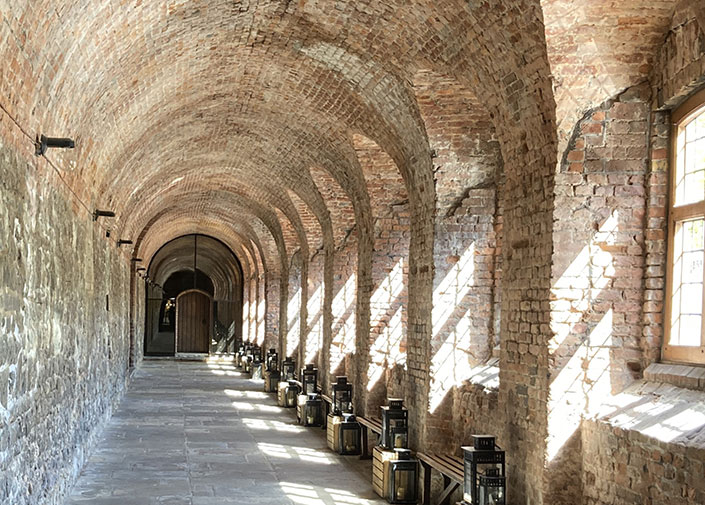
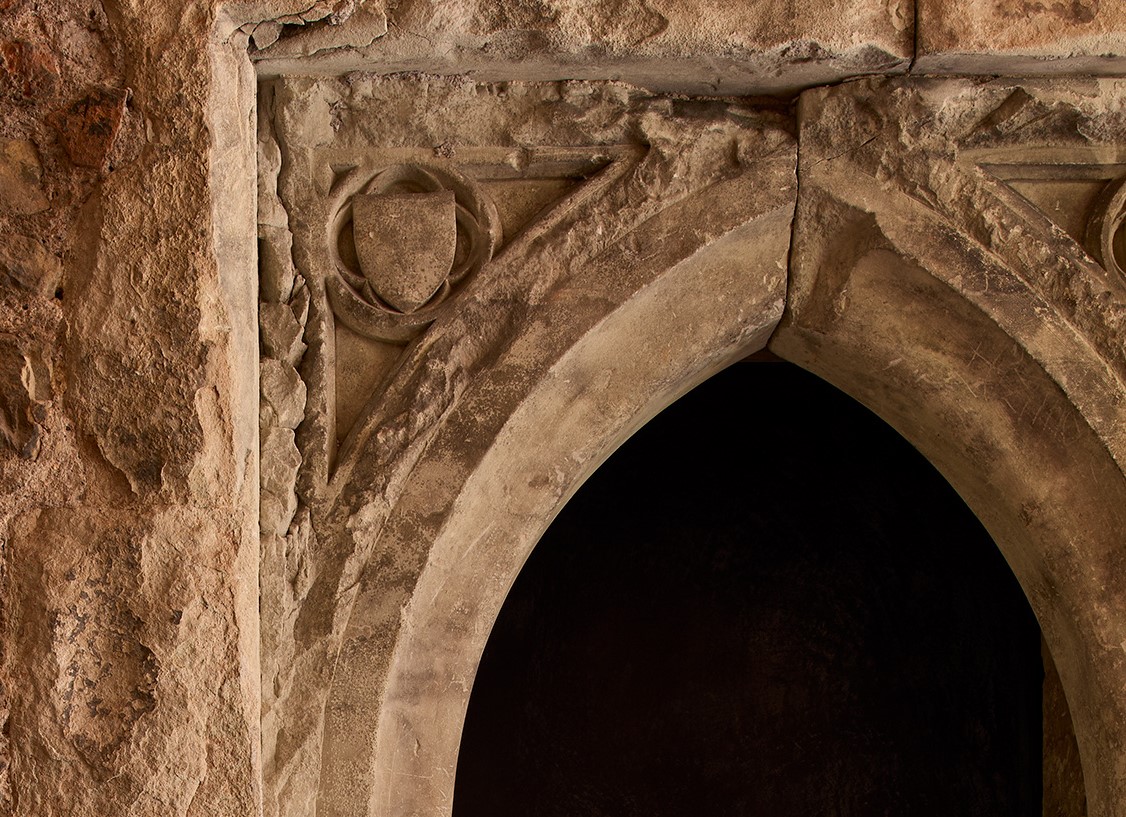
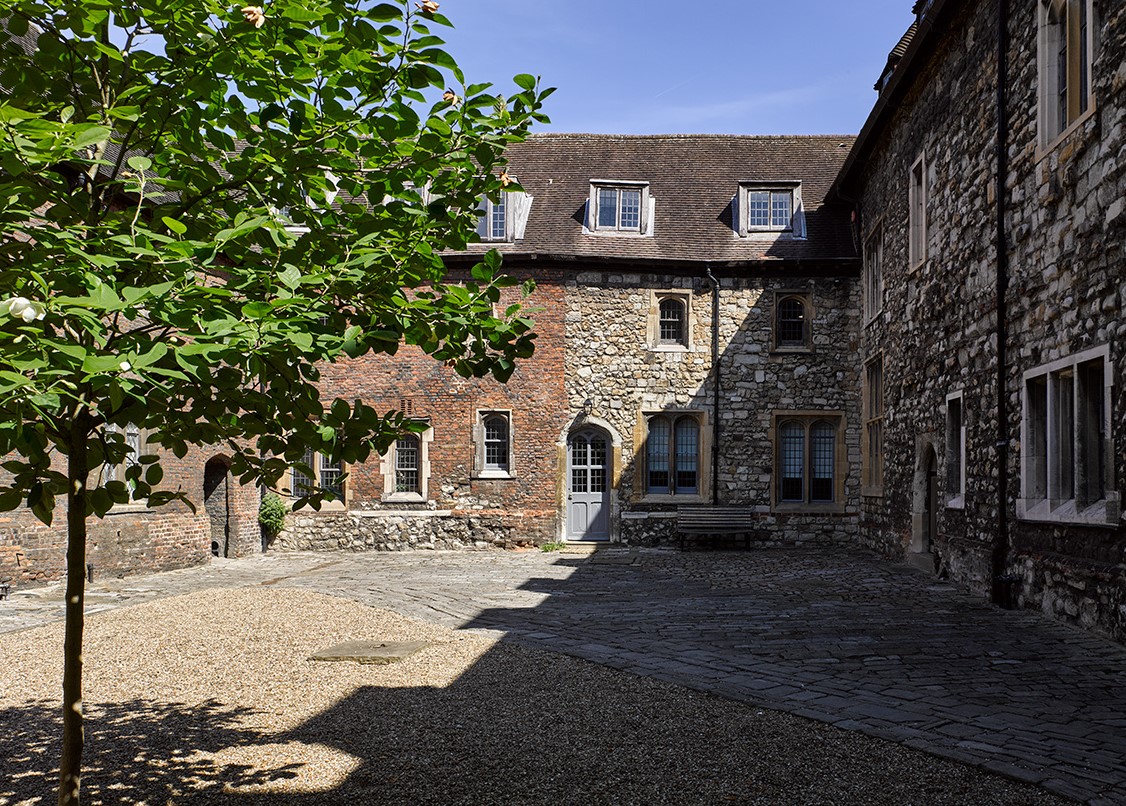
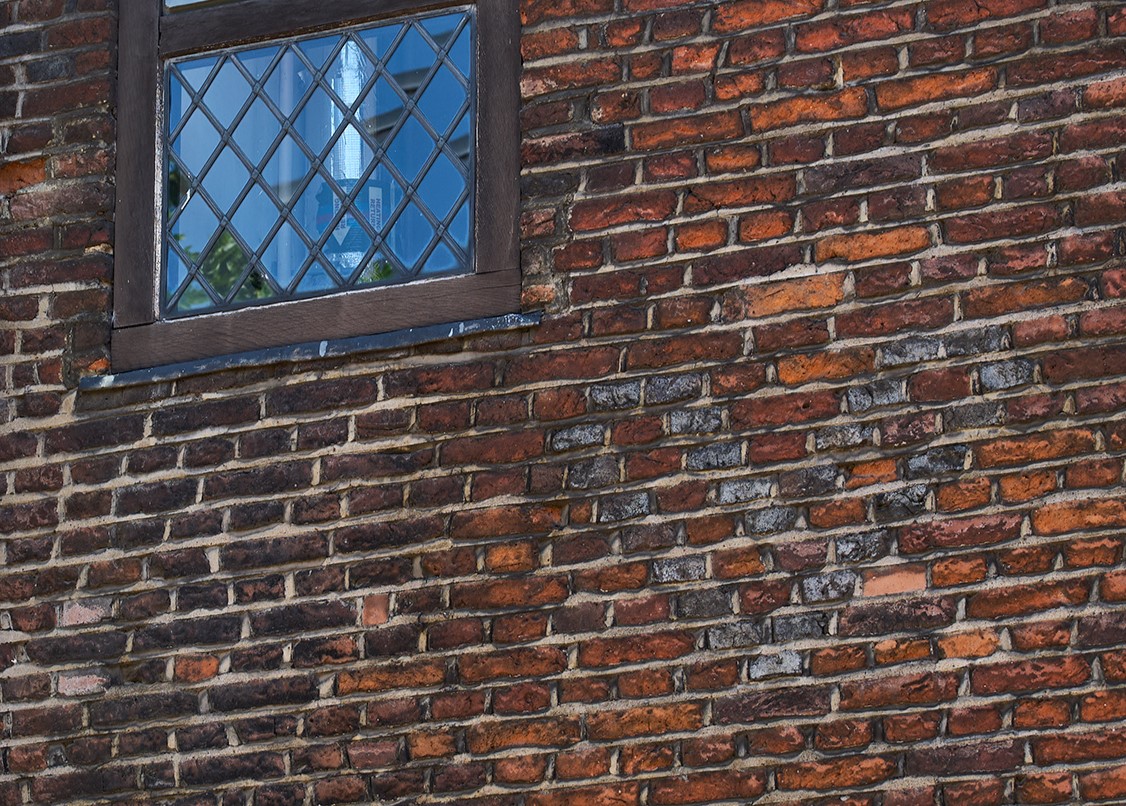
The Medieval Monastery
A Chapel for the Dead
Our history begins in 1348 during one of London’s darkest times; the Black Death. As the plague ravaged the city, claiming an estimated 60% of its population, land that is now Charterhouse Square was leased by Sir Walter Manny, a knight of the court of Edward III. It was used as an emergency burial groud for the victims (sometimes referred to as a ‘plague pit’), with a chapel built nearby to facilitate prayer for their souls.
The London Charterhouse
The Bishop of London and Sir Walter Manny later collaborated to establish a Carthusian monastery on land adjacent to the burial ground. Founded in 1371, the London Charterhouse (a name derived from the Carthusian order which originated in Chartreuse in France) became an important and well-respected monastery, where austere monks lived solitary lives of quiet contemplation.
Martyrdom and Dissolution
The monastery thrived for over 150 years, but its peaceful existence was shattered by Henry VIII’s Act of Supremacy. The Catholic Carthusian monks, led by Prior John Houghton, refused to accept the King as the head of the Church.
Their defiance came at a great cost. Between 1535 and 1540, the Prior and several monks were sentenced to death. Houghton and others were hanged, drawn and quartered at Tyburn as a terrible warning, and later become known among the Tyburn Martyrs. The London Charterhouse was confiscated by the Crown, the monastery dissolved, and its buildings repurposed to store the King’s tents and pavilions, and the monks’ cells used as storerooms and for tenants including the Bassano Family who were court musicians.
The Tudor Mansion
Transformation
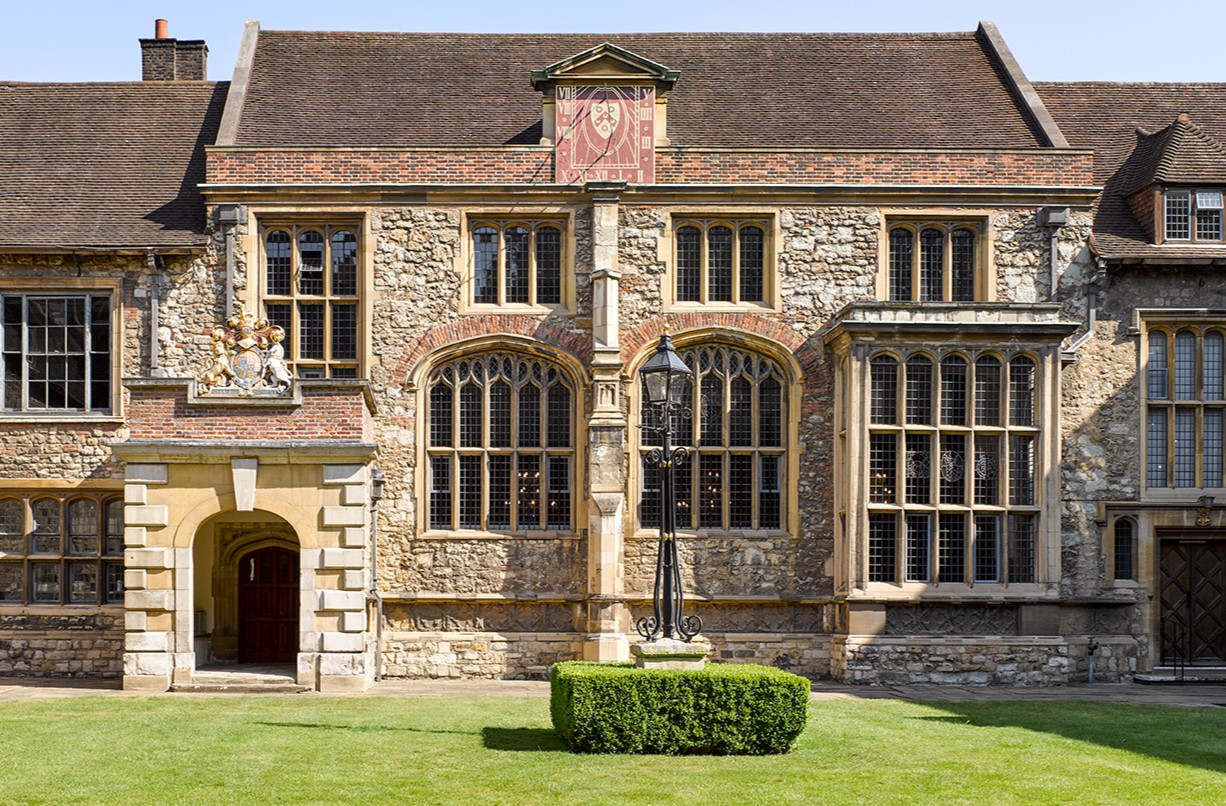
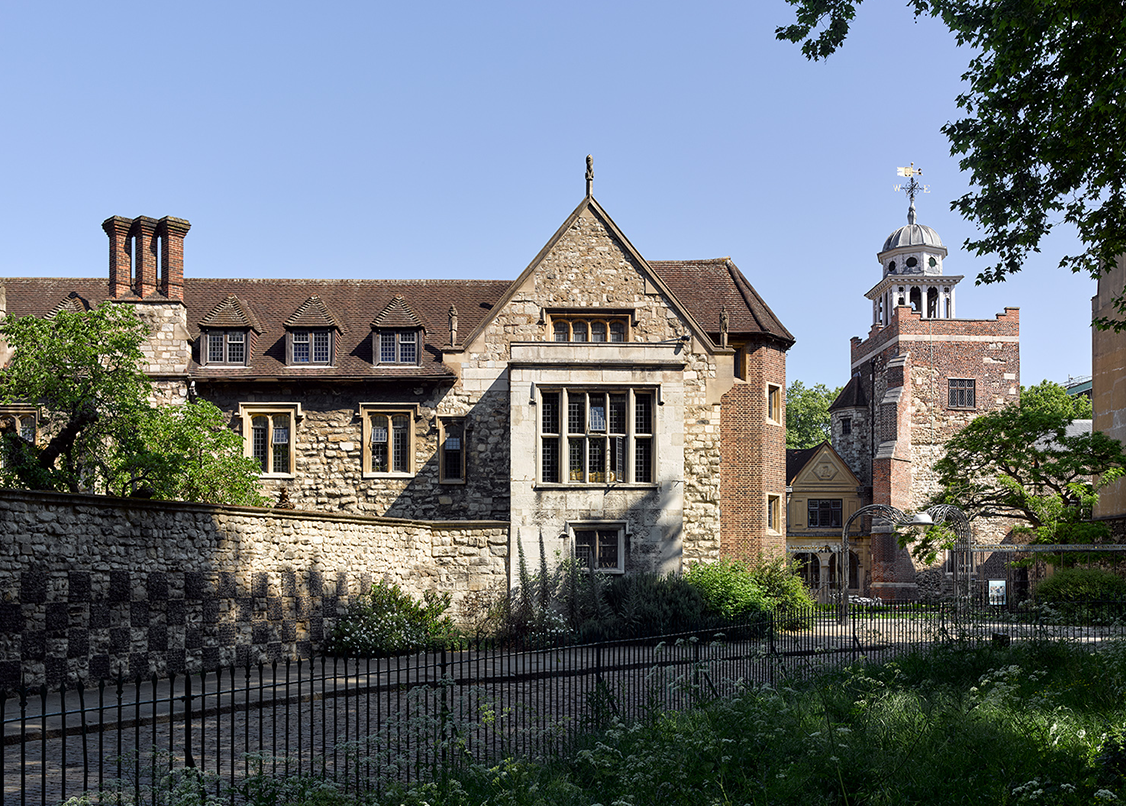
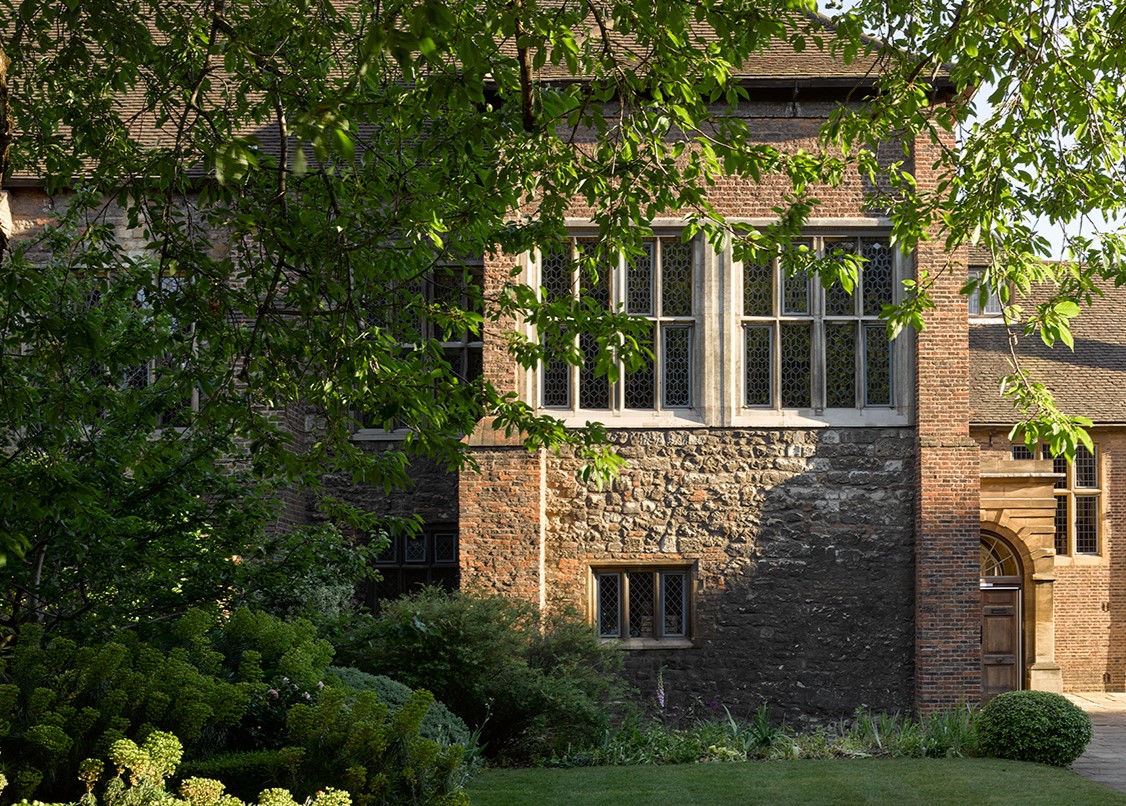
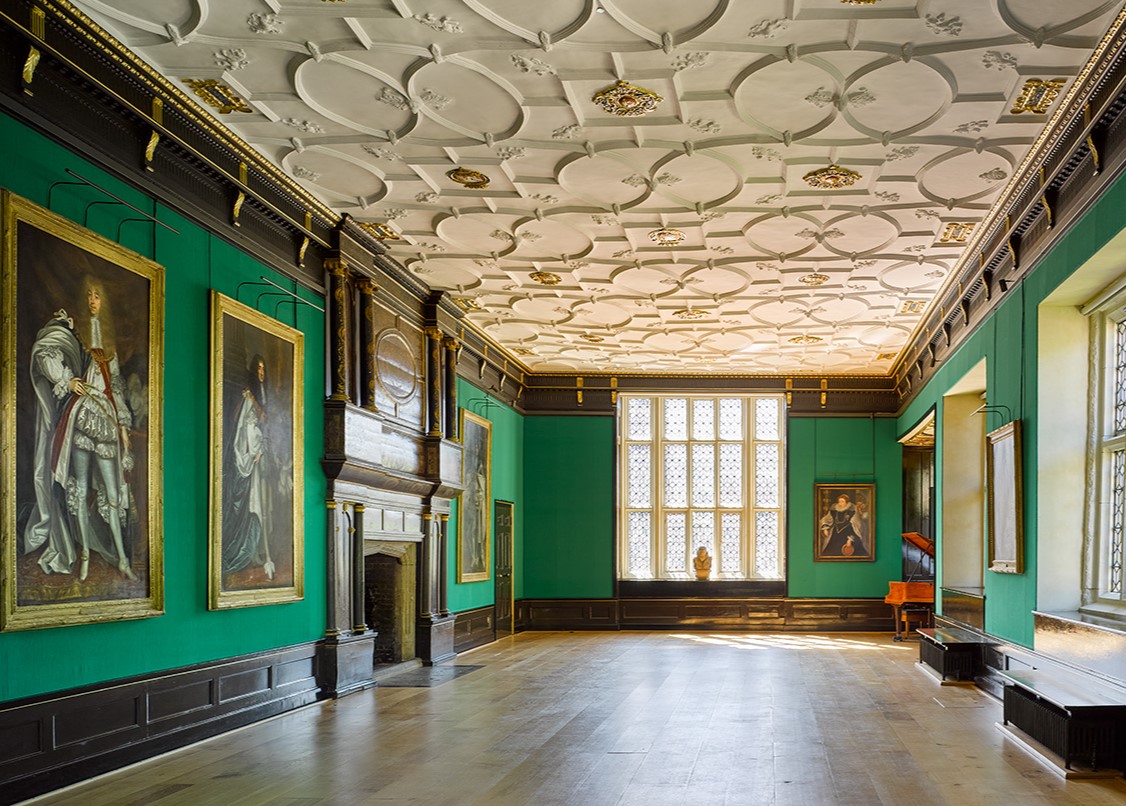
In 1545, the site was purchased by Sir Edward North, then Chancellor of the Court of Augmentations. The Court was established in 1536 by Henry VIII to manage the lands and revenues of the confiscated monasteries. It enabled Henry to have control over land and finances previously belonging to the Catholic Church in England. North reconfigured the monastery into a grand Tudor mansion, known as North House, in what was still countryside outside the walls of the City of London.
Fit for Royalty
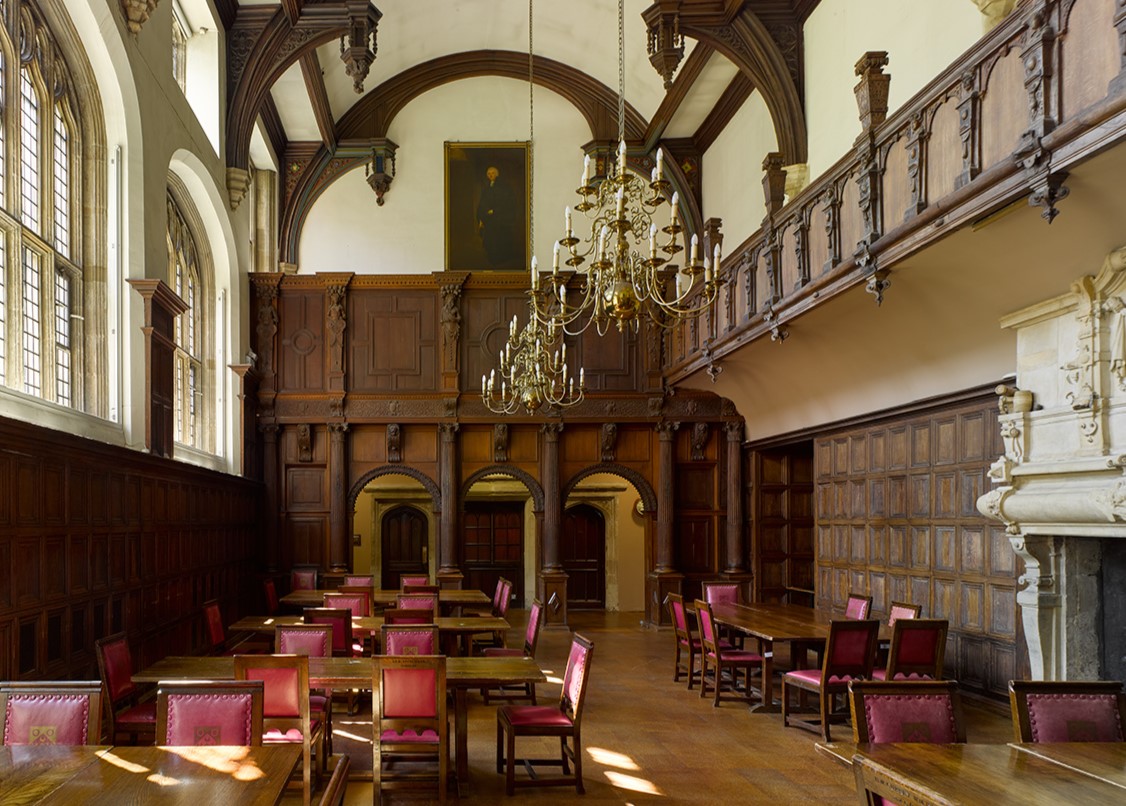
It quickly became one of London’s great powerhouses, hosting the most elite guests of the age who held court in its rooms. Elizabeth I stayed for five days in 1558 before her coronation in 1559 and held her first Privy Council in the Great Chamber. Later in 1603, James I (James VI of Scotland) also stayed creating 133 new knights in the Great Chamber before his own coronation.
Fateful ambition
Thomas Howard, the 4th Duke of Norfolk, became the new owner of the Charterhouse in 1565 and it duly became known as Howard House. A wealthy nobleman and politician, and second cousin to Elizabeth, Norfolk further developed and lavishly furnished the property. His eventual downfall was to become involved in the infamous Ridolfi Plot, which sought to replace Elizabeth on the throne with Mary Queen of Scots. A cipher for the code used by the plotters was found at Howard House, and Norfolk was arrested for treason and sentenced to death.
Sutton’s Hospital: A Pioneering Charity
The Will of Thomas Sutton
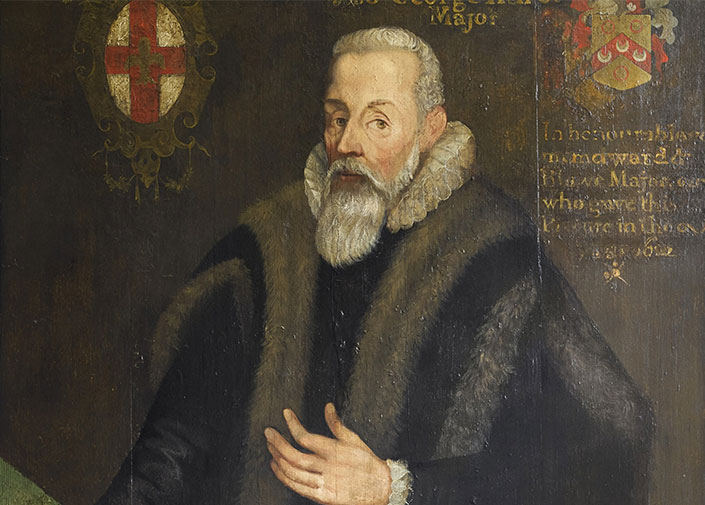
Thomas Sutton, a hugely wealthy civil servant and businessman, had been developing plans to establish a ‘hospital’ (to serve the ‘poor, aged, maimed, needy and impotent’), school and chapel since 1595. In 1610 he obtained an Act of Parliament for the creation of ‘The Hospital of King James’.
Sutton purchased Howard House in 1611, and obtained a Letters Patent authorising ‘The Hospital of King James founded in Charterhouse within the County of Middlesex’. He set about a further transformation of the estate but died on 12 December before his vision was fully realised. Despite the will being contested, his plans were eventually upheld.
A Royal Foundation
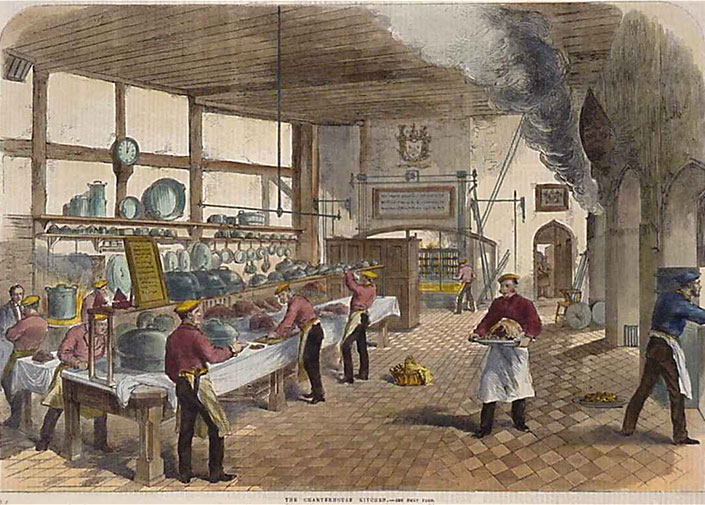
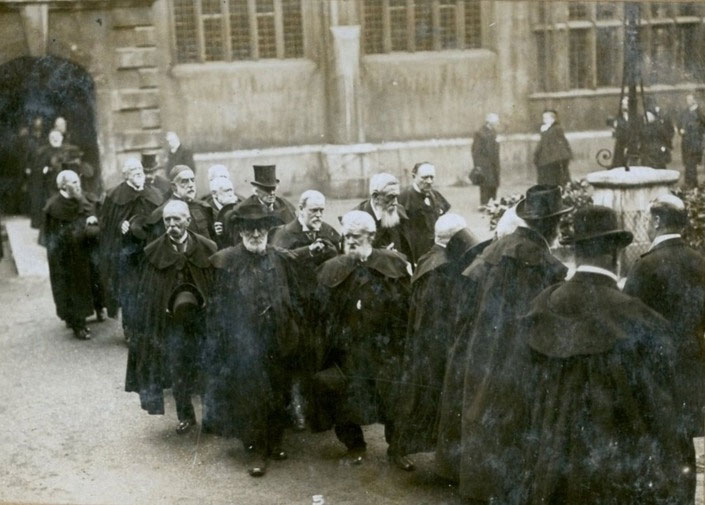
The sixteen Governors of the new foundation held their first assembly in 1613, establishing a framework for the charity. They set the rules for admission including the number of pensioners (80), scholars (40) and officials (32). The pensioners would be ‘unmarried men over 50, or 40 if maimed’, references of ‘good character and religious orthodoxy’ were required, and they would become known as the ‘Poor Brothers’. The scholars would be aged between 9 and 14 years and of ‘poor parentage’. The officials would include the Master, Preacher, Schoolmaster and Physician.
Sutton’s Hospital in Charterhouse, as it become known, was the wealthiest charitable foundation in Europe, but the Governors were not successful in finally confirming its establishment until The Charterhouse Act of 1627. James I became its first Royal Governor, establishing a tradition of royal patronage that continues to this day. The Governors have included such renowned figures as Oliver Cromwell, the Duke of Wellington, and William Gladstone.
The almshouse and the school co-existed on the Charterhouse estate for centuries. Charterhouse School, where pupils including John Wesley and William Makepeace Thackeray were educated, eventually outgrew the site and moved to Godalming, Surrey in 1872, where it remains as a renowned a private school. The Merchant Taylors School then occupied part of the estate until 1933, while the almshouse remained very much as before.
War, Destruction, and Rebirth
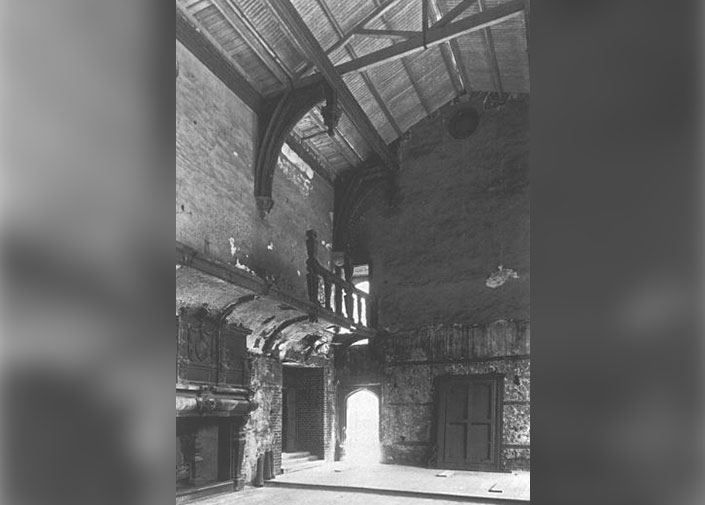
The Charterhouse faced its greatest modern challenge during the Second World War. The Brothers had voted to remain rather than be evacuated and took part with the staff in preparations for the war effort. Underground bomb shelters were built in Preacher’s Court, and a public shelter in what is now Master’s Garden. They were on nightly fire-watch duty during the Blitz until May 1941, when the Charterhouse suffered a direct hit from an incendiary device. The resulting fires devastated the historic buildings, leaving the Great Hall and Great Chamber in ruins. Quick thinking saved the Chapel when its heavy wooden door was closed, the charred remains of which survive today.
A major restoration project was led by architects John Seely and Paul Paget between 1945 and 1959. This work not only saved the buildings, but archaeological work uncovered lost history including foundations of the monastic buildings and the grave of Sir Walter Manny who was identified by the Papal Bull around his neck. His remains were exhumed and re-interred in a new tomb, which, it was now known, was in front of where the alter of the monastic church once stood.
The restoration also signalled an important step in the charity’s modernisation. The Brothers were moved from their old quarters into newly created flats within the restored Tudor mansion, placing them for the first time at the very heart of the Charterhouse.

The Charterhouse Today
Today, the spirit of Thomas Sutton’s 400-year-old charity is alive and well. Our residents, or Brothers (a gender-neutral term today), remain at the heart of our story as we provide housing and support independent living for people aged 60 and over with a housing, financial and social need.
The Charterhouse is a living piece of London’s history, but most importantly it is a home to our residents. We invite you to step through our gates and discover our fascinating story for yourself.
Explore Our History
Explore our historic rooms and buildings on a guided tour, and hear stories of monks, monarchs and a visionary philanthropist, or view our upcoming events.
A historic Almshouse
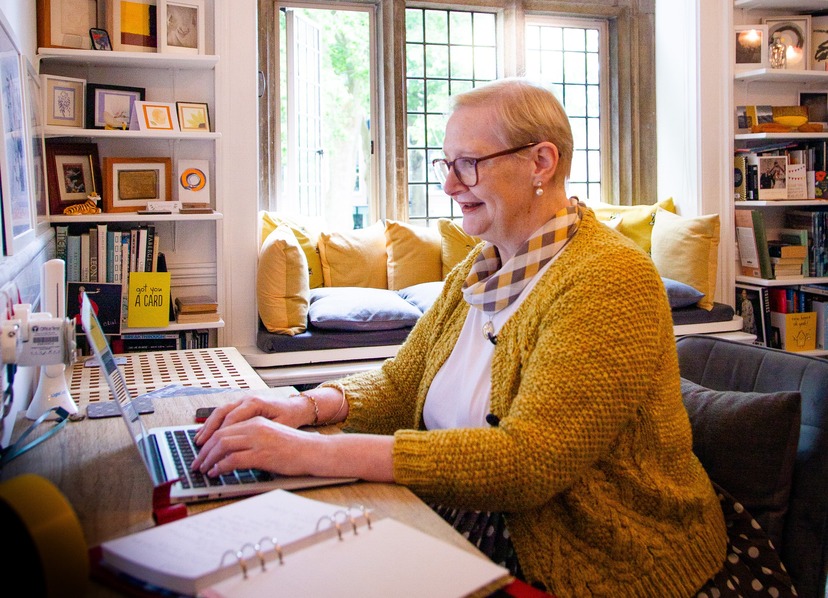
What is an Almshouse? Discover the history of this medieval tradition and the 400-year-old living community established by Thomas Sutton.
Discover our history as an Almshouse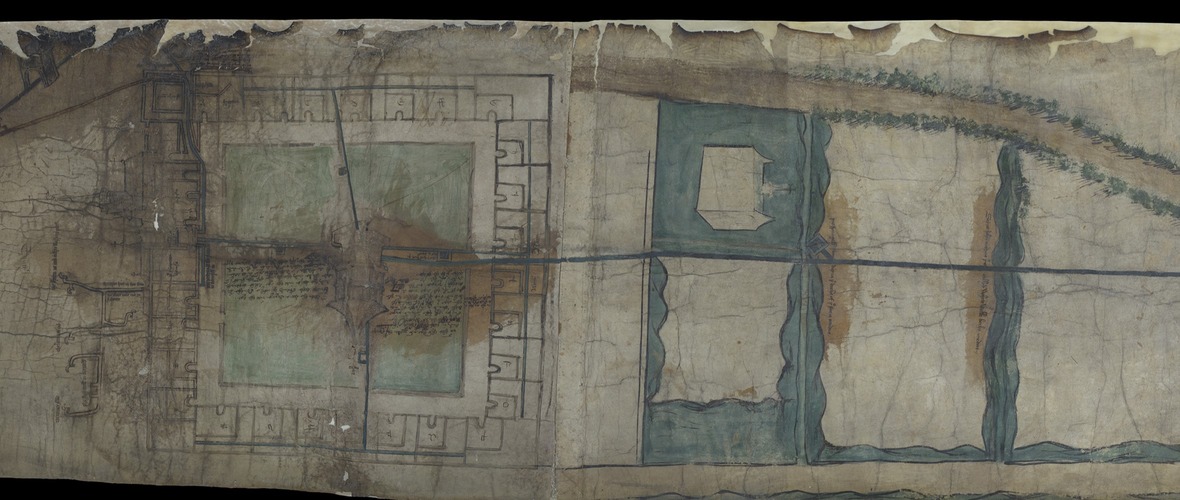
Discover more history by visiting our museum display
Discover our layered history through historic maps, documents, and artefacts in our museum display. No booking required.
Plan your visit